

Why Crawl Space Encapsulation Matters Before Problems Get Worse
A crawl space is one of the most overlooked areas of a home. It is out of sight, rarely visited and easy to forget about—until a moisture problem starts making its way into the rest of the house. For many homeowners, crawl space problems don't begin with a dramatic flood or a major plumbing leak. Sometimes, moisture builds slowly over time. Humid air, damp soil, condensation and water entering around the foundation can all contribute to an environment where moisture has nowhere to go.
That is exactly why addressing crawl space moisture early can make such a difference.
At MidSouth Crawlspace Solutions, we regularly meet homeowners who aren't sure why their crawl space is damp or why they are beginning to notice musty odors, condensation or other warning signs. The good news is that identifying the source of the moisture is the first step toward finding a long-term solution.
How Does Moisture Get Into a Crawl Space?
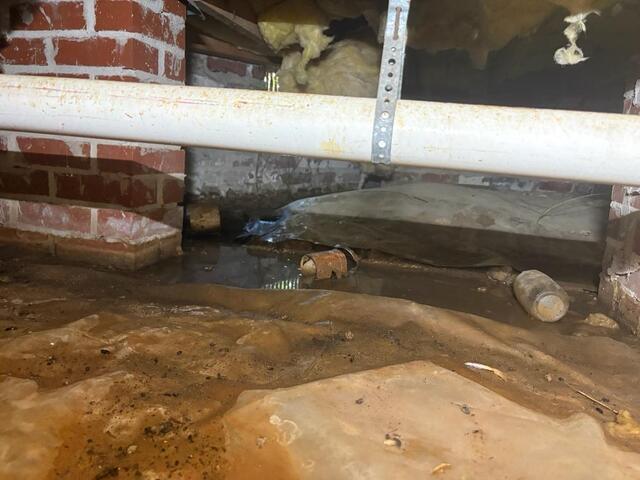
One of the most common sources is the ground beneath the home. In a traditional crawl space with exposed soil, moisture from the ground can evaporate into the crawl space air. High relative humidity are common locations for hidden mold growth, particularly when they have bare earth floors. Moisture can move from the soil into the air through evaporation, increasing humidity throughout the space. Moisture can also enter from outside. Heavy rain, poor drainage, groundwater and water that collects around the foundation can all contribute to crawl space moisture. Small gaps or openings around the foundation can allow water to find its way inside.
Condensation is caused by warm, humid air coming into contact with cooler surfaces, such as ductwork, pipes or other materials in the crawl space can cause water droplets to form. Over time, repeated condensation can contribute to persistently damp conditions.
In other words, you don't necessarily need to see a puddle underneath your house to have a moisture problem. Sometimes, the problem is simply too much moisture in the air.
Why Crawl Space Moisture Matters
Moisture beneath your home isn't something homeowners should simply ignore. When a crawl space stays damp, it can create the conditions that allow mold to grow.
That means cleaning up visible mold without addressing the moisture source may not solve the underlying problem. If the crawl space remains damp, the conditions that contributed to the mold growth can remain as well.
That is why homeowners should think about the crawl space as an environment that needs to be controlled, not simply cleaned when a problem appears.
Moisture Can Affect More Than the Crawl Space
Your crawl space may be separated from the living areas of your home, but it isn't completely disconnected from them. Moisture can move from a crawl space into other areas of a home through cracks and openings in floors, walls and ceilings. This is one reason crawl space conditions deserve attention even when the space itself isn't somewhere your family spends time. A crawl space that is consistently damp can also affect the materials located underneath the home. Wood framing, insulation and other building materials can be exposed to prolonged moisture. The longer moisture problems remain unaddressed, the greater the opportunity for additional problems to develop.
Why Waiting Can Make the Problem Worse
One of the biggest mistakes homeowners can make with crawl space moisture is waiting until the problem becomes obvious. You may not notice anything at first. Then you might see condensation on ductwork, notice a musty smell, find damp soil after heavy rain, or see mold growing. By that point, the crawl space may require more than simply drying out the area.
The goal isn't to wait until your crawl space becomes a major problem. The goal is to control the environment before it gets there.
We don't believe in treating symptoms without understanding the underlying problem. Our goal is to help homeowners understand what is happening beneath their home and determine the best way to protect it.
What Is Crawl Space Encapsulation?
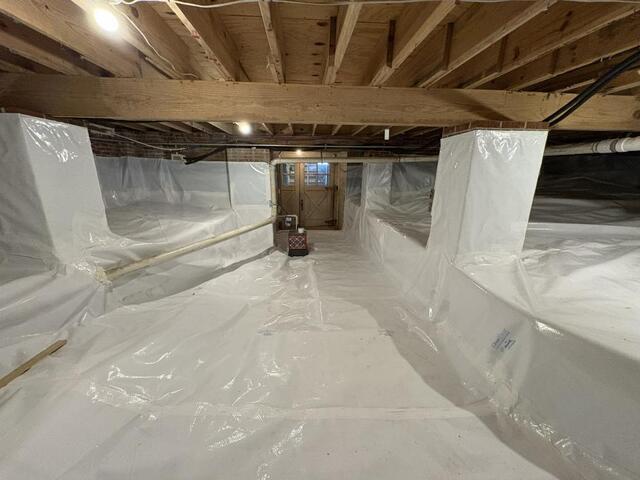
Crawl space encapsulation is a process designed to separate the crawl space environment from the surrounding soil and outside moisture. A properly designed encapsulation system can help control moisture by creating a barrier between the crawl space and the damp ground below it while also addressing other sources of moisture that may be present.
The goal is to create a more controlled crawl space environment instead of allowing outside humidity and ground moisture to continuously enter the space. This is especially important in areas where warm, humid weather can contribute to persistent moisture problems.
A complete crawl space solution should begin with understanding where the moisture is coming from and what is needed to control it.
Depending on the conditions found during an inspection, additional moisture-control solutions may be appropriate.
Why Moisture Control Is the First Step
It's easy to think of mold as the main problem when you see mold in a crawl space, but moisture is often the bigger issue. Mold needs moisture to grow and the key to mold control is moisture control.
That means a long-term approach should focus on the conditions that allow mold to grow rather than simply treating what is visible. This doesn't mean every damp crawl space will automatically develop mold, and it doesn't mean encapsulation guarantees that mold will never occur. But controlling excess moisture can reduce one of the key conditions mold needs to grow.
For homeowners who are sensitive to mold or concerned about indoor air quality, addressing persistent moisture can be an especially important part of maintaining the home.
Signs Your Crawl Space May Have a Moisture Problem
Pay attention to warning signs throughout the home:
- Musty odors
- Condensation on pipes or ductwork
- Damp or wet areas beneath the home
- Standing water after rain
- Visible mold growth
- Damp insulation
- Wood that appears consistently wet or damaged
- High humidity in the crawl space
- Repeated moisture problems after heavy rain
It's important to remember that these signs can have multiple causes. The best way to determine what's happening is to have the crawl space properly inspected.
Protect What You Can't See
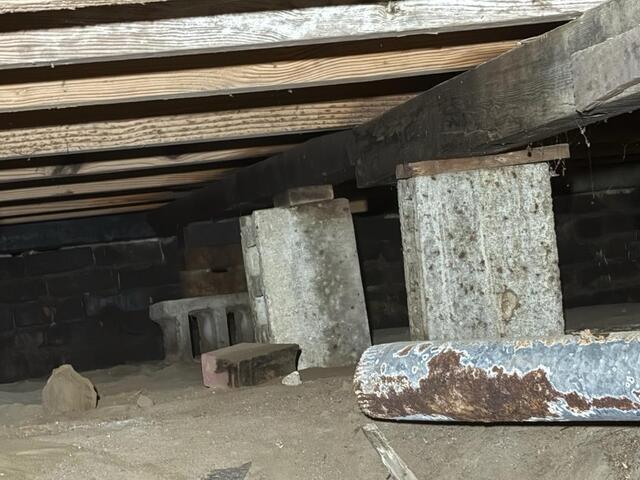
Your crawl space may be one of the least-used areas of your home, but that doesn't mean it should be overlooked. Moisture that starts beneath your home can create conditions for mold growth and can affect the materials and environment within the crawl space. Controlling that moisture is an important part of maintaining a healthier, better-protected home.
If you're concerned about moisture, mold or other crawl space problems, don't wait until the signs become impossible to ignore. Schedule a free inspection with MidSouth Crawlspace Solutions to find out what's happening beneath your home and what options may be available to address it.
